
Are you a ranch enthusiast searching for the perfect ranch property? Look no further! Our blog is dedicated to providing you with valuable insights, expert advice, and a comprehensive platform for buying and selling ranches. Whether you’re a seasoned ranch owner, an aspiring rancher, or a real estate investor, we’ve got you covered.
Discover the Best Ranches for Sale:
Explore our extensive listings of ranches for sale, offering a wide range of sizes, locations, and amenities. From sprawling cattle ranches to picturesque equestrian estates, our platform showcases the finest ranch properties on the market. Start your search today and find the ranch of your dreams!
Expert Tips for Buying and Selling Ranches:
Navigating the world of ranch real estate requires specialized knowledge. Our blog provides expert tips and guidance to help you make informed decisions. Whether you’re looking for advice on negotiating the best price, understanding zoning regulations, or evaluating the suitability of a ranch for your specific needs, we’ve got you covered. Stay informed and make the most of your ranch investment.
Maintenance and Upkeep of Ranch Properties:
Owning a ranch comes with unique responsibilities. We understand the importance of maintaining and preserving your ranch property. Our articles on general upkeep provide valuable insights into caring for your ranch, including maintenance of buildings, fences, and other infrastructure. Learn about seasonal maintenance tasks, property management strategies, and best practices to ensure the long-term value and enjoyment of your ranch.
Pest and Rodent Control for Ranches:
Ranch properties can be susceptible to pests and rodents, which can threaten livestock, crops, and overall property integrity. Our blog offers expert advice on pest and rodent control specific to ranches. Discover effective strategies for prevention, identification, and safe eradication of pests and rodents that may affect your ranch. Protect your investment and maintain a healthy and thriving ranch environment.
Tree Removal and Stump Grinding on Ranches:
Managing trees on a ranch property is essential for safety, aesthetics, and land use. Our articles on tree removal and stump grinding provide valuable information for ranch owners. Learn about the safe and efficient removal of hazardous or unwanted trees, as well as the process of grinding stumps to enhance land usability. Make informed decisions regarding tree management on your ranch.
Commercial Pressure Washing for Ranches:
Maintaining the cleanliness and appearance of ranch buildings, equipment, and outdoor areas is crucial for a professional and inviting environment. Our blog offers insights into the benefits of commercial pressure washing for ranches. Discover the power of high-pressure cleaning to remove dirt, grime, and stains from various surfaces, including barns, driveways, and equipment. Enhance the overall aesthetics and functionality of your ranch with professional pressure washing services.
Join our Ranch Seekers Community:
Become part of our vibrant Ranch Seekers community, where ranch enthusiasts, real estate professionals, and industry experts come together to share knowledge, experiences, and opportunities. Connect with like-minded individuals, participate in discussions, and stay up to date with the latest trends in the ranch real estate market.
At “Ranch Seekers Unite,” we are passionate about helping you find the perfect ranch property and providing you with the resources and support you need throughout the buying or selling process. Subscribe to our newsletter to receive exclusive updates, new property listings, and valuable insights into the world of ranch real estate. Let’s embark on this exciting journey together and uncover the exceptional ranch opportunities waiting for you!
- Sustainable Comfort: The Role of Foam Insulation for Ranch Seekers
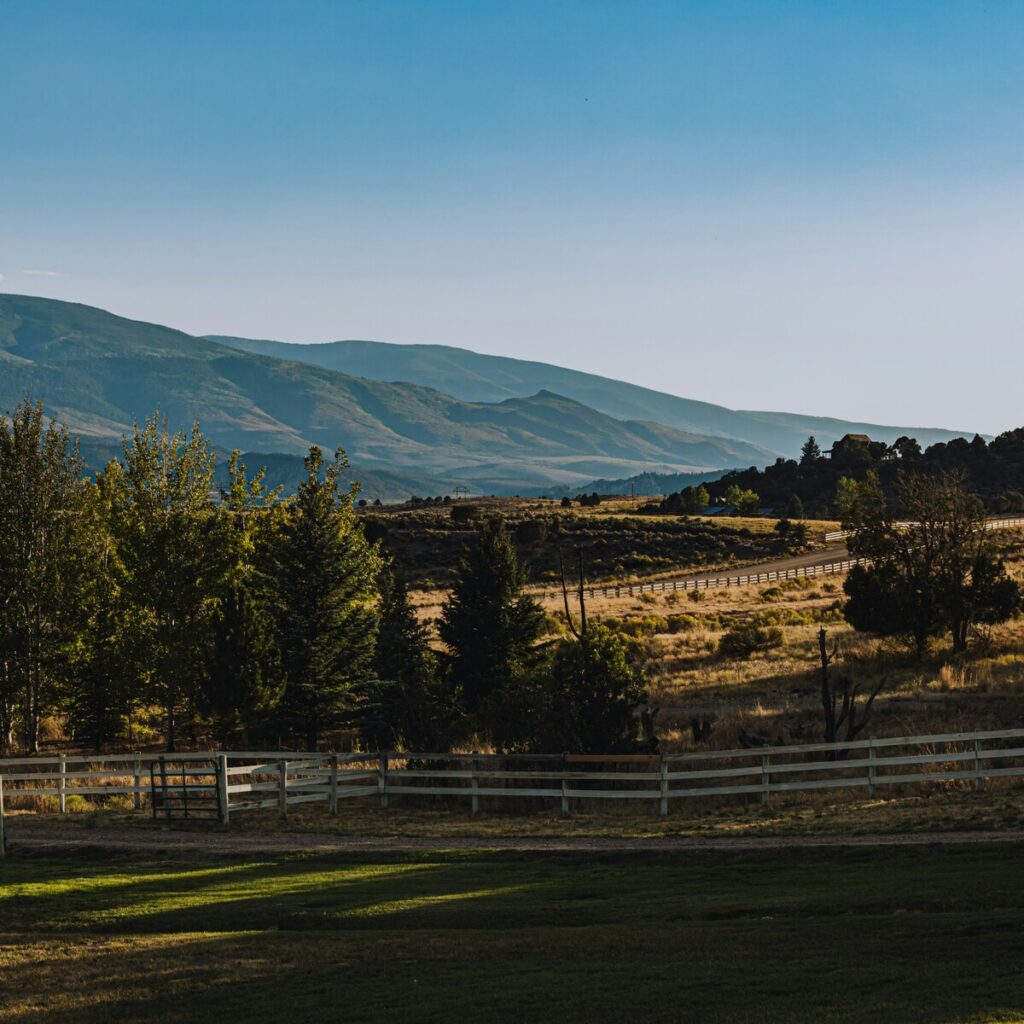
Ranch living embodies a unique blend of rustic charm, open spaces, and a deep connection to nature. For those seeking the tranquility and independence of ranch life, creating a comfortable, energy-efficient, and sustainable home is essential. Foam insulation has emerged as a crucial component in modern ranch construction and renovation, offering benefits that enhance the comfort and longevity of these homes. This blog post explores how foam insulation can transform ranch properties, providing insights into its advantages, applications, and practical tips for homeowners and builders.
The Importance of Foam Insulation in Ranch Homes
Ranch homes, often located in rural areas with diverse climate conditions, require robust and reliable insulation to ensure year-round comfort and efficiency. Foam insulation, available in spray foam and rigid foam board forms, meets these needs by offering superior thermal resistance, moisture control, and durability.
Energy Efficiency and Cost Savings
Foam insulation is renowned for its high R-value per inch, which means it provides excellent thermal resistance. This capability helps maintain consistent indoor temperatures, reducing the need for heating and cooling and leading to significant energy savings.
Example: A ranch home insulated with spray foam can significantly reduce its energy consumption, resulting in lower utility bills and a more sustainable living environment.
Enhanced Comfort
Foam insulation eliminates drafts, cold spots, and temperature fluctuations, creating a consistent and comfortable indoor environment. It also provides excellent soundproofing, which is essential for ensuring peace and tranquility in rural settings.
Example: In a ranch home, spray foam insulation in the walls and ceilings ensures a quiet and comfortable living space, free from the noise of wind and wildlife.
Moisture Control and Mold Prevention
Closed-cell spray foam insulation acts as an effective moisture barrier, preventing water infiltration and reducing the risk of mold and mildew growth. This is particularly important in areas with high humidity or significant rainfall, where moisture control is essential for maintaining the structural integrity and indoor air quality of a home.
Example: A ranch property in a humid climate with closed-cell spray foam insulation in its walls and roof stays dry and free from mold, ensuring a healthy and durable living environment.
Applications of Foam Insulation in Ranch Homes
Foam insulation can be used in various parts of a ranch home to enhance its performance and comfort. Here are some common applications:
Walls
Spray foam and rigid foam board insulation can be used in walls to create a well-insulated building envelope. Spray foam is particularly effective in sealing gaps and cracks, while rigid foam boards provide continuous insulation and reduce thermal bridging.
Example: A ranch home with spray foam insulation in its walls benefits from improved energy efficiency and moisture resistance, making it a comfortable and durable retreat.
Roofs and Attics
Insulating the roof and attic with foam insulation helps maintain consistent temperatures throughout the home and prevents heat loss during winter and heat gain during summer. Spray foam insulation can be applied directly to the underside of the roof deck, creating an airtight seal and improving energy efficiency.
Example: A ranch house with spray foam insulated roofs and attics remains cozy and warm during cold winters and comfortably cool in the summer, enhancing the overall living experience.
Basements and Crawl Spaces
Foam insulation is ideal for basements and crawl spaces due to its moisture resistance and ability to create an airtight seal. Closed-cell spray foam is particularly effective in these areas, preventing moisture infiltration and reducing the risk of mold growth.
Example: Insulating the walls and floors of a ranch home’s basement with closed-cell spray foam can create a dry, comfortable, and usable space for storage or additional living areas.
Exterior Applications
Rigid foam board insulation can be installed on the exterior of a home’s frame to create a continuous insulation layer. This method reduces thermal bridging and enhances the overall energy efficiency of the building.
Example: A contemporary ranch with rigid foam board insulation on its exterior walls boasts superior energy performance and reduced heat loss, contributing to lower utility bills and a more comfortable indoor environment.
Practical Tips for Implementing Foam Insulation in Ranch Homes
To maximize the benefits of foam insulation in your ranch home, it’s important to follow best practices and ensure proper installation:
Choose the Right Type of Foam
Select the appropriate type of foam insulation based on the specific needs of the project. Open-cell spray foam is ideal for interior applications and soundproofing, while closed-cell spray foam and rigid foam boards are better suited for areas requiring high R-values and moisture resistance.
Tip: Consult with a professional insulation contractor to determine the best type of foam insulation for your home.
Ensure Proper Installation
Proper installation is crucial for maximizing the benefits of foam insulation. Hire experienced and certified installers who understand the intricacies of applying spray foam and installing rigid foam boards.
Tip: Request references and check reviews to find reputable insulation contractors with a proven track record of quality work.
Plan for Ventilation
While foam insulation creates an airtight seal, proper ventilation is still necessary to maintain indoor air quality. Plan for adequate ventilation systems to prevent issues related to air quality and moisture.
Tip: Consider installing mechanical ventilation systems, such as heat recovery ventilators (HRVs), to ensure a healthy indoor environment.
Real-World Examples of Ranch Homes with Foam Insulation
Mountain Ranch Retreat
A mountain ranch retreat in Colorado used rigid foam board insulation on its exterior walls and closed-cell spray foam in its roof and basement. This approach ensured superior energy efficiency and moisture resistance, keeping the home warm in the winter and cool in the summer. The enhanced insulation also provided additional structural support, making the retreat more resilient to the harsh mountain climate.
Coastal Ranch Property
A coastal ranch property in California was retrofitted with closed-cell spray foam insulation in the walls, roof, and crawl space. This upgrade provided excellent thermal insulation and moisture control, ensuring the home remained comfortable and dry throughout the year. The insulation also added structural strength, protecting the property from the effects of salty air and high humidity.
Prairie Ranch Home
A prairie ranch home in Texas utilized open-cell spray foam insulation in its interior walls and ceilings. This application provided superior soundproofing, ensuring a quiet and peaceful living space despite the open landscape. The insulation also improved the home’s energy efficiency, making it a comfortable and cost-effective property.
Conclusion
Foam insulation is a powerful tool for enhancing ranch homes, offering significant improvements in energy efficiency, moisture control, and overall home comfort. Whether used in walls, roofs, basements, or exterior applications, foam insulation provides long-lasting benefits that elevate the living experience in various environments. By understanding the different types of foam insulation and following best practices for installation, homeowners and builders can create energy-efficient, comfortable, and durable ranch homes that stand the test of time. As the demand for high-quality, sustainable living continues to grow, foam insulation will play a crucial role in shaping the future of ranch properties.
- Solid Ground: The Role of Concrete in Modern Ranch Properties
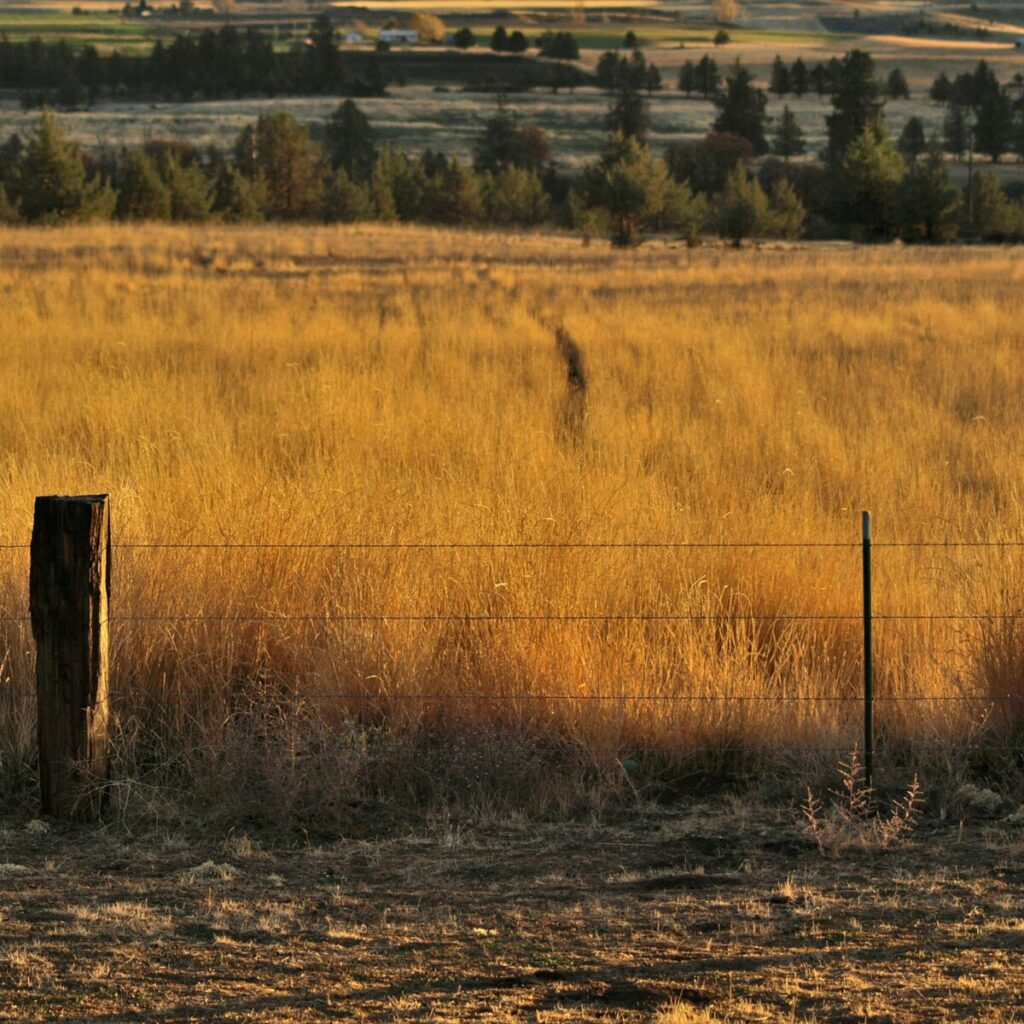
Ranch properties, synonymous with wide-open spaces and rural charm, are evolving with modern construction techniques that enhance their functionality and longevity. One material that is making a significant impact in this transformation is concrete. Known for its durability, versatility, and sustainability, concrete is increasingly being used in various aspects of ranch property construction and maintenance. This blog post explores the benefits of concrete in ranch properties, its various applications, and how it contributes to creating resilient and efficient rural spaces.
The Advantages of Concrete in Ranch Properties
Concrete offers several key benefits that make it an ideal choice for building and maintaining ranch properties.
Durability and Longevity
Ranch properties often face harsh environmental conditions, from extreme weather to heavy usage. Concrete’s durability makes it well-suited to withstand these challenges. Whether it’s used in constructing buildings, fences, or pathways, concrete provides a long-lasting solution that requires minimal maintenance, saving time and money in the long run.
Versatility
Concrete’s versatility allows it to be used in a wide range of applications on a ranch. It can be molded into various shapes and sizes, making it suitable for everything from foundations and walls to decorative features like patios and walkways. This adaptability enables ranch owners to create functional and aesthetically pleasing spaces.
Sustainability
Modern concrete production techniques have made significant strides in reducing the material’s environmental impact. The use of recycled aggregates, fly ash, and slag in concrete mixes contributes to sustainability by reducing the need for virgin materials. Additionally, concrete’s thermal mass properties help regulate indoor temperatures, improving energy efficiency in ranch buildings.
Applications of Concrete in Ranch Properties
Concrete’s versatility and durability make it ideal for numerous applications on ranch properties. Here are some of the most common uses.
Foundations and Structural Elements
Concrete is a staple in constructing the foundations and structural elements of ranch buildings. Its strength and stability provide a solid base for homes, barns, stables, and other structures, ensuring they can withstand the test of time and environmental stressors.
Flooring
Concrete flooring is a popular choice for ranch properties due to its durability and ease of maintenance. It is particularly well-suited for high-traffic areas like barns, stables, and workshops. Concrete floors can be treated with sealants to resist stains and moisture, making them easy to clean and maintain.
Fencing and Corrals
Concrete fencing and corrals offer a sturdy and long-lasting solution for containing livestock. Unlike wooden fences that can rot or metal fences that can rust, concrete fences are highly resistant to weathering and damage. They provide a secure enclosure that requires minimal upkeep, ensuring the safety and well-being of animals.
Driveways and Pathways
Concrete driveways and pathways provide durable and attractive solutions for ranch properties. They can withstand heavy vehicle traffic and harsh weather conditions without deteriorating. Additionally, concrete can be stamped or colored to create visually appealing surfaces that enhance the property’s aesthetic appeal.
Water Troughs and Feeders
Concrete water troughs and feeders are durable and hygienic options for providing livestock with water and food. Their heavy weight ensures they stay in place, even when animals push against them. Concrete’s non-porous nature helps maintain cleanliness, reducing the risk of contamination and disease.
Enhancing Ranch Properties with Concrete: Case Studies
Several ranch properties have successfully integrated concrete into their construction and maintenance, showcasing the material’s benefits and versatility.
The Rolling Hills Ranch
The Rolling Hills Ranch, a sprawling cattle ranch in Texas, has used concrete extensively to enhance its infrastructure. The ranch’s main house and barns are built on concrete foundations, providing stability and durability. Concrete flooring in the barns ensures easy cleaning and maintenance, while concrete fencing offers a secure and long-lasting solution for livestock enclosures. The ranch also features concrete driveways and pathways, which remain in excellent condition despite heavy use and harsh weather.
The Green Valley Ranch
The Green Valley Ranch in Colorado has embraced sustainable practices, using eco-friendly concrete mixes for its buildings and infrastructure. The ranch’s main residence features concrete walls with integrated insulation, providing excellent thermal performance and energy efficiency. Concrete water troughs and feeders ensure clean and reliable access to water and food for livestock. The use of recycled materials in the concrete mixes aligns with the ranch’s commitment to sustainability.
The Blue Sky Equestrian Center
The Blue Sky Equestrian Center in California showcases the versatility of concrete in creating a functional and aesthetically pleasing ranch property. The center’s stables and arenas are constructed with concrete foundations and floors, ensuring durability and ease of maintenance. The property features beautifully stamped and colored concrete pathways, enhancing its visual appeal and providing a safe and comfortable surface for horses and riders. Concrete retaining walls and decorative elements add to the center’s overall charm and functionality.
Future Trends: Concrete in Modern Ranch Development
As construction techniques and materials continue to evolve, several trends are shaping the future of concrete use in ranch properties.
Advanced Concrete Technologies
Innovations in concrete technology are enhancing its performance and sustainability. High-performance concrete mixes offer greater strength and durability, while self-healing concrete can automatically repair minor cracks, extending the lifespan of structures. These advancements will further improve the reliability and longevity of concrete applications on ranch properties.
Sustainable Building Practices
The push for sustainability is driving the development of eco-friendly concrete solutions. The use of recycled materials, carbon capture technologies, and green building certifications is becoming more prevalent in ranch construction. These practices not only reduce the environmental impact of concrete but also enhance the sustainability and efficiency of ranch properties.
Smart Ranching Solutions
The integration of smart technologies into ranch management is an emerging trend. Concrete structures can be embedded with sensors to monitor conditions such as temperature, humidity, and structural integrity. These smart systems provide valuable data for maintaining optimal conditions for livestock and crops, improving overall efficiency and productivity.
Conclusion
Concrete is playing a transformative role in the construction and maintenance of modern ranch properties. Its durability, versatility, and sustainability make it an ideal material for a wide range of applications, from foundations and flooring to fencing and pathways. As new technologies and sustainable practices continue to evolve, concrete will remain at the forefront of ranch development, helping to create resilient, efficient, and aesthetically pleasing rural spaces. For ranch owners looking to enhance their properties, concrete offers a solid foundation for building and maintaining a thriving, modern ranch.
- Strategic Insights into Buying and Selling Ranches: A Comprehensive Guide
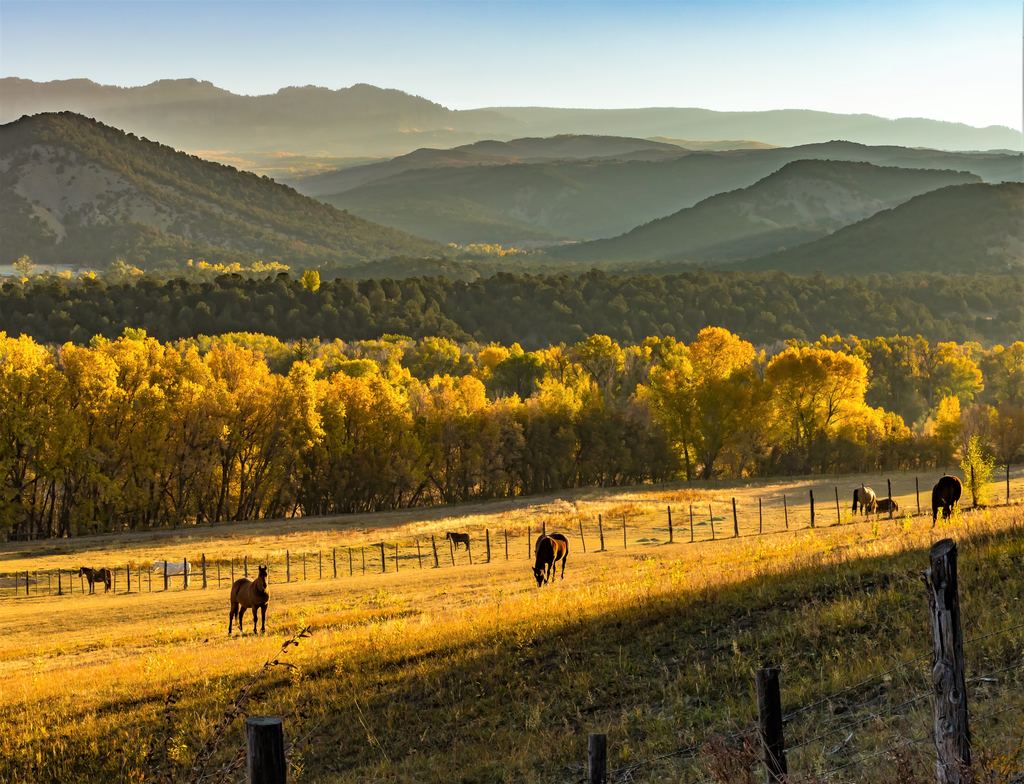
Introduction: Navigating the Ranch Real Estate Landscape
The realm of buying and selling ranches extends beyond the mere transactional perspective, enveloping nuances related to the property’s condition, aesthetic, and functionality. Whether looking to buy a ranch that will become a personal retreat or sell one that has been a lucrative investment, the intricacies of property management, such as pest control, play a pivotal role in determining its market value and appeal.
Ensuring Optimal Condition: The Role of Pest Control
Maintaining a ranch involves safeguarding it against potential deterrents, with pest control being paramount. The importance of a robust pest control strategy can’t be overstated when it comes to protecting the property, its inhabitants, and livestock. Employing professional pest control ensures that the ranch remains in optimal condition, preserving its value and ensuring a healthy environment for all its occupants and potential buyers.
Presenting a Pristine Interior: Carpet Cleaning Essentials
When facilitating ranch sales, interior presentation significantly impacts first impressions. Investing in professional carpet cleaning to showcase a well-maintained interior space communicates meticulous care and enhances property value. Potential buyers often envisage the lifestyle and quality through the property’s interior cleanliness, making carpet cleaning a critical element in preparing a ranch for the market.
Managing Landscape Aesthetics and Safety with Tree Removal
The sprawling landscapes of ranches often house numerous trees that enhance aesthetic and ecological value. However, strategic tree removal is sometimes necessary to manage aesthetics, safety, and land usability. Whether mitigating potential hazards or crafting a specific landscape aesthetic, professional tree removal can be a strategic choice in enhancing the ranch’s appeal and functionality, both for sellers and buyers alike.
Conclusion: Crafting a Favorable Ranch Buying and Selling Experience
From the meticulous management of pest control to ensuring pristine interior conditions through carpet cleaning, and managing the external aesthetic and safety through tree removal, each facet significantly influences the ranch buying and selling experience. Buyers and sellers alike must navigate these considerations to ensure optimal value, functionality, and appeal in the dynamic ranch real estate market.
©2023 Ranch Real Estate Insights. All Rights Reserved.
- The Battle on the Range: Pest Control Strategies for Ranches and Farms

For those who work the land, pests can represent a significant challenge. From crop-damaging insects to barn-invading rodents, pests can impact productivity, disrupt operations, and pose a threat to livestock health. In the battle on the range, effective pest control strategies are crucial for the success of farms and ranches. This blog post will delve into the key pest control strategies for agricultural operations.
Understanding Your Adversary
Effective pest control begins with understanding the pest species you’re dealing with. Different pests have different behaviors, preferences, and vulnerabilities. Take time to learn about the pests on your property—what attracts them, where they breed, what harms them. This knowledge will be invaluable in designing your pest control strategy.
Biological Control Methods
Biological control involves the use of natural predators or diseases to manage pest populations. This can include introducing beneficial insects to prey on harmful ones or using microorganisms that cause disease in pests. Biological control methods are environmentally friendly and can be very effective when used properly.
Cultural Control Methods
Cultural control methods involve modifying farming practices to make the environment less appealing to pests. This can include crop rotation to disrupt the life cycle of pests, tillage to destroy pest habitats, or adjusting irrigation practices to discourage pests. By making your farm or ranch less conducive to pests, you can prevent infestations before they begin.
Physical and Mechanical Control Methods
Physical and mechanical control methods involve using physical barriers or mechanical devices to control pests. This can include traps for rodents, netting to protect crops from birds, or fences to keep out larger pests. While these methods can require significant initial investment, they can provide long-term pest control with minimal ongoing costs.
Chemical Control Methods
Chemical control, or the use of pesticides, is often a last resort in pest control. While pesticides can be highly effective, they also pose risks to non-target species and the environment. When using pesticides, it’s essential to follow all safety guidelines and use them as part of an integrated pest management strategy.
Integrated Pest Management (IPM)
IPM is a comprehensive approach to pest control that combines all the methods mentioned above. It emphasizes understanding pest life cycles, monitoring pest populations, and using targeted, environmentally friendly control methods. By using an IPM approach, you can manage pests effectively while minimizing harm to the environment and non-target species.
Hiring a Pest Control Professional
While many pest control methods can be implemented by farmers and ranchers themselves, some situations require professional help. Pest control professionals can provide expertise, equipment, and specialized treatments that can be invaluable in managing large or persistent pest problems.
Conclusion
In the battle on the range, victory over pests requires strategy, persistence, and a deep understanding of your adversary. Whether through biological control methods, cultural modifications, physical barriers, or the careful use of pesticides, effective pest control is within reach for every farmer and rancher.
By adopting an integrated pest management approach and partnering with pest control professionals when needed, you can protect your crops, livestock, and operations from the harm pests can cause. In the end, effective pest control isn’t just about eliminating pests—it’s about creating a sustainable, productive, and healthy agricultural environment.
- Transforming Ranches: The Benefits and Considerations of Artificial Turf Installation
Introduction:
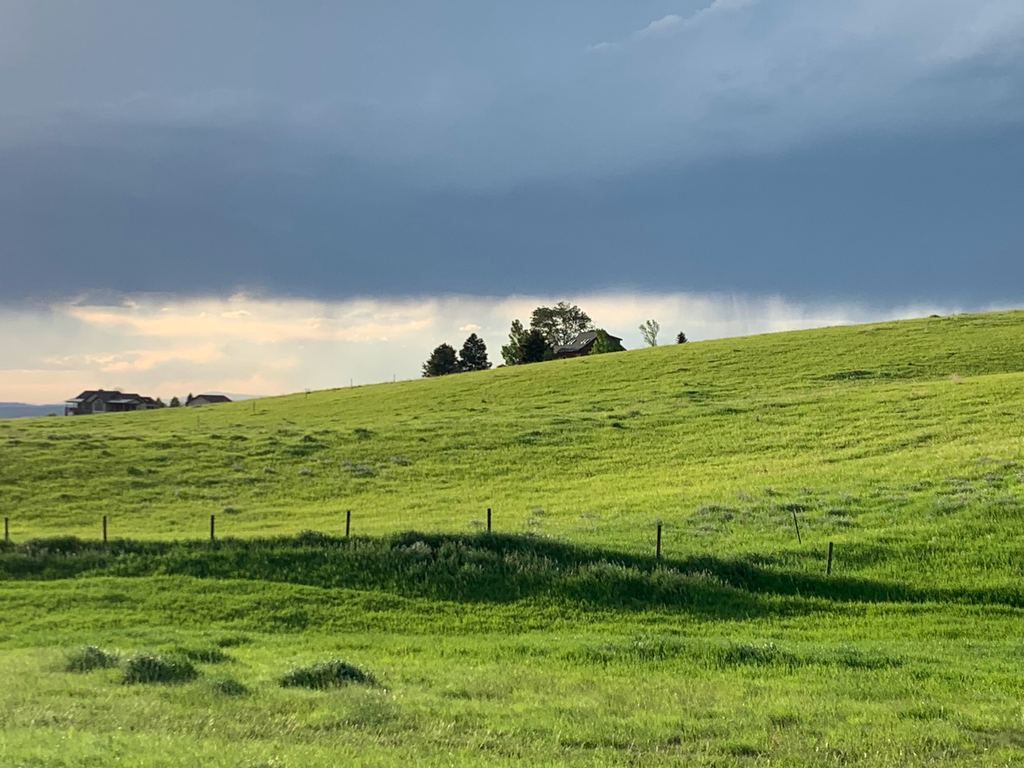
Artificial turf has gained popularity in various applications, and its advantages extend beyond traditional sports fields and residential lawns. In ranch settings, where maintaining a natural grass landscape can be challenging, artificial turf offers a durable, low-maintenance alternative. In this blog post, we will explore the benefits of artificial turf installation in ranches, considerations for choosing the right turf, and tips for a successful installation.
Benefits of Artificial Turf in Ranch Settings:
- Water Conservation:
Water scarcity is a common concern in many regions, and ranches often face the challenge of maintaining lush green lawns while adhering to water restrictions. Artificial turf eliminates the need for excessive watering, reducing water consumption and conserving this valuable resource.
- Low Maintenance:
Traditional grass lawns require mowing, fertilizing, and irrigation, which can be time-consuming and costly for large ranch properties. Artificial turf eliminates these maintenance tasks, freeing up time and resources for other ranch activities. With artificial turf, you can say goodbye to mowing, weeding, and expensive lawn care equipment.
- Durability and Resilience:
Ranches are often subject to heavy foot traffic, animal activity, and challenging weather conditions. Artificial turf is designed to withstand these demands, offering excellent durability and resilience. It can withstand constant use, making it ideal for high-traffic areas such as grazing areas, walkways, or play areas for animals.
- Aesthetics and Green Appeal:
Artificial turf provides a consistently vibrant and well-manicured appearance throughout the year, enhancing the overall aesthetics of your ranch. Its lush green color and uniform texture can transform the look of open spaces, creating an appealing visual contrast against other natural elements on the property.
- Environmental Considerations:
Artificial turf eliminates the need for chemical pesticides, fertilizers, and herbicides, reducing the environmental impact often associated with traditional grass maintenance. It also eliminates the need for gas-powered mowers, minimizing air and noise pollution. Artificial turf is an eco-friendly alternative that promotes sustainability on ranch properties.
Considerations for Artificial Turf Installation:
- Quality and Durability:
Choose high-quality artificial turf specifically designed for ranch environments. Look for turf options that are UV-stabilized, have good drainage capabilities, and are resistant to fading, wear, and tear. Invest in turf with a reputable manufacturer warranty to ensure its longevity and performance.
- Proper Ground Preparation:
Successful turf installation starts with proper ground preparation. Ensure the soil is adequately graded and compacted to provide a stable base for the turf. Consider installing a weed barrier to prevent weed growth through the turf and a drainage system to promote efficient water runoff.
- Professional Installation:
While DIY installation is an option, hiring professional installers with experience in artificial turf installation is recommended for larger ranch areas. They have the expertise, equipment, and knowledge to ensure proper installation, seam integration, and efficient drainage.
- Maintenance Practices:
Though artificial turf requires less maintenance than natural grass, routine care is still necessary. Regularly remove debris, leaves, and animal waste from the surface. Rinse the turf periodically to remove dust and maintain its appearance. If necessary, brush the turf fibers to keep them upright and uniform.
- Consider Specific Ranch Needs:
Consider the specific needs and usage patterns of your ranch when selecting artificial turf. For grazing areas or livestock pens, choose turf that can withstand heavy animal traffic and is resistant to urine or manure. For recreational areas, opt for turf that provides adequate cushioning and resilience for activities.
Conclusion:
Artificial turf installation in ranch settings offers numerous benefits, including water conservation, low maintenance requirements, durability, and enhanced aesthetics. By choosing high-quality turf, properly preparing the ground, and employing professional installation services, ranch owners can transform their properties into visually appealing, sustainable, and functional spaces.
Artificial turf provides a practical and environmentally friendly solution for ranches, allowing for more efficient use of resources and freeing up time for other ranch-related activities. Consider the unique needs of your ranch and explore the possibilities of artificial turf installation to enjoy the benefits it brings to your property.
- Sustainable Comfort: The Role of Foam Insulation for Ranch Seekers
Ranch living embodies a unique blend of rustic charm, open spaces, and a deep connection to nature. For those seeking the tranquility and independence of ranch life, creating a comfortable, energy-efficient, and sustainable home is essential. Foam insulation has emerged as a crucial component in modern ranch construction and renovation, offering benefits that enhance the comfort and longevity of these homes. This blog post explores how foam insulation can transform ranch properties, providing insights into its advantages, applications, and practical tips for homeowners and builders.
The Importance of Foam Insulation in Ranch Homes
Ranch homes, often located in rural areas with diverse climate conditions, require robust and reliable insulation to ensure year-round comfort and efficiency. Foam insulation, available in spray foam and rigid foam board forms, meets these needs by offering superior thermal resistance, moisture control, and durability.
Energy Efficiency and Cost Savings
Foam insulation is renowned for its high R-value per inch, which means it provides excellent thermal resistance. This capability helps maintain consistent indoor temperatures, reducing the need for heating and cooling and leading to significant energy savings.
Example: A ranch home insulated with spray foam can significantly reduce its energy consumption, resulting in lower utility bills and a more sustainable living environment.
Enhanced Comfort
Foam insulation eliminates drafts, cold spots, and temperature fluctuations, creating a consistent and comfortable indoor environment. It also provides excellent soundproofing, which is essential for ensuring peace and tranquility in rural settings.
Example: In a ranch home, spray foam insulation in the walls and ceilings ensures a quiet and comfortable living space, free from the noise of wind and wildlife.
Moisture Control and Mold Prevention
Closed-cell spray foam insulation acts as an effective moisture barrier, preventing water infiltration and reducing the risk of mold and mildew growth. This is particularly important in areas with high humidity or significant rainfall, where moisture control is essential for maintaining the structural integrity and indoor air quality of a home.
Example: A ranch property in a humid climate with closed-cell spray foam insulation in its walls and roof stays dry and free from mold, ensuring a healthy and durable living environment.
Applications of Foam Insulation in Ranch Homes
Foam insulation can be used in various parts of a ranch home to enhance its performance and comfort. Here are some common applications:
Walls
Spray foam and rigid foam board insulation can be used in walls to create a well-insulated building envelope. Spray foam is particularly effective in sealing gaps and cracks, while rigid foam boards provide continuous insulation and reduce thermal bridging.
Example: A ranch home with spray foam insulation in its walls benefits from improved energy efficiency and moisture resistance, making it a comfortable and durable retreat.
Roofs and Attics
Insulating the roof and attic with foam insulation helps maintain consistent temperatures throughout the home and prevents heat loss during winter and heat gain during summer. Spray foam insulation can be applied directly to the underside of the roof deck, creating an airtight seal and improving energy efficiency.
Example: A ranch house with spray foam insulated roofs and attics remains cozy and warm during cold winters and comfortably cool in the summer, enhancing the overall living experience.
Basements and Crawl Spaces
Foam insulation is ideal for basements and crawl spaces due to its moisture resistance and ability to create an airtight seal. Closed-cell spray foam is particularly effective in these areas, preventing moisture infiltration and reducing the risk of mold growth.
Example: Insulating the walls and floors of a ranch home’s basement with closed-cell spray foam can create a dry, comfortable, and usable space for storage or additional living areas.
Exterior Applications
Rigid foam board insulation can be installed on the exterior of a home’s frame to create a continuous insulation layer. This method reduces thermal bridging and enhances the overall energy efficiency of the building.
Example: A contemporary ranch with rigid foam board insulation on its exterior walls boasts superior energy performance and reduced heat loss, contributing to lower utility bills and a more comfortable indoor environment.
Practical Tips for Implementing Foam Insulation in Ranch Homes
To maximize the benefits of foam insulation in your ranch home, it’s important to follow best practices and ensure proper installation:
Choose the Right Type of Foam
Select the appropriate type of foam insulation based on the specific needs of the project. Open-cell spray foam is ideal for interior applications and soundproofing, while closed-cell spray foam and rigid foam boards are better suited for areas requiring high R-values and moisture resistance.
Tip: Consult with a professional insulation contractor to determine the best type of foam insulation for your home.
Ensure Proper Installation
Proper installation is crucial for maximizing the benefits of foam insulation. Hire experienced and certified installers who understand the intricacies of applying spray foam and installing rigid foam boards.
Tip: Request references and check reviews to find reputable insulation contractors with a proven track record of quality work.
Plan for Ventilation
While foam insulation creates an airtight seal, proper ventilation is still necessary to maintain indoor air quality. Plan for adequate ventilation systems to prevent issues related to air quality and moisture.
Tip: Consider installing mechanical ventilation systems, such as heat recovery ventilators (HRVs), to ensure a healthy indoor environment.
Real-World Examples of Ranch Homes with Foam Insulation
Mountain Ranch Retreat
A mountain ranch retreat in Colorado used rigid foam board insulation on its exterior walls and closed-cell spray foam in its roof and basement. This approach ensured superior energy efficiency and moisture resistance, keeping the home warm in the winter and cool in the summer. The enhanced insulation also provided additional structural support, making the retreat more resilient to the harsh mountain climate.
Coastal Ranch Property
A coastal ranch property in California was retrofitted with closed-cell spray foam insulation in the walls, roof, and crawl space. This upgrade provided excellent thermal insulation and moisture control, ensuring the home remained comfortable and dry throughout the year. The insulation also added structural strength, protecting the property from the effects of salty air and high humidity.
Prairie Ranch Home
A prairie ranch home in Texas utilized open-cell spray foam insulation in its interior walls and ceilings. This application provided superior soundproofing, ensuring a quiet and peaceful living space despite the open landscape. The insulation also improved the home’s energy efficiency, making it a comfortable and cost-effective property.
Conclusion
Foam insulation is a powerful tool for enhancing ranch homes, offering significant improvements in energy efficiency, moisture control, and overall home comfort. Whether used in walls, roofs, basements, or exterior applications, foam insulation provides long-lasting benefits that elevate the living experience in various environments. By understanding the different types of foam insulation and following best practices for installation, homeowners and builders can create energy-efficient, comfortable, and durable ranch homes that stand the test of time. As the demand for high-quality, sustainable living continues to grow, foam insulation will play a crucial role in shaping the future of ranch properties.
- Solid Ground: The Role of Concrete in Modern Ranch Properties
Ranch properties, synonymous with wide-open spaces and rural charm, are evolving with modern construction techniques that enhance their functionality and longevity. One material that is making a significant impact in this transformation is concrete. Known for its durability, versatility, and sustainability, concrete is increasingly being used in various aspects of ranch property construction and maintenance. This blog post explores the benefits of concrete in ranch properties, its various applications, and how it contributes to creating resilient and efficient rural spaces.
The Advantages of Concrete in Ranch Properties
Concrete offers several key benefits that make it an ideal choice for building and maintaining ranch properties.
Durability and Longevity
Ranch properties often face harsh environmental conditions, from extreme weather to heavy usage. Concrete’s durability makes it well-suited to withstand these challenges. Whether it’s used in constructing buildings, fences, or pathways, concrete provides a long-lasting solution that requires minimal maintenance, saving time and money in the long run.
Versatility
Concrete’s versatility allows it to be used in a wide range of applications on a ranch. It can be molded into various shapes and sizes, making it suitable for everything from foundations and walls to decorative features like patios and walkways. This adaptability enables ranch owners to create functional and aesthetically pleasing spaces.
Sustainability
Modern concrete production techniques have made significant strides in reducing the material’s environmental impact. The use of recycled aggregates, fly ash, and slag in concrete mixes contributes to sustainability by reducing the need for virgin materials. Additionally, concrete’s thermal mass properties help regulate indoor temperatures, improving energy efficiency in ranch buildings.
Applications of Concrete in Ranch Properties
Concrete’s versatility and durability make it ideal for numerous applications on ranch properties. Here are some of the most common uses.
Foundations and Structural Elements
Concrete is a staple in constructing the foundations and structural elements of ranch buildings. Its strength and stability provide a solid base for homes, barns, stables, and other structures, ensuring they can withstand the test of time and environmental stressors.
Flooring
Concrete flooring is a popular choice for ranch properties due to its durability and ease of maintenance. It is particularly well-suited for high-traffic areas like barns, stables, and workshops. Concrete floors can be treated with sealants to resist stains and moisture, making them easy to clean and maintain.
Fencing and Corrals
Concrete fencing and corrals offer a sturdy and long-lasting solution for containing livestock. Unlike wooden fences that can rot or metal fences that can rust, concrete fences are highly resistant to weathering and damage. They provide a secure enclosure that requires minimal upkeep, ensuring the safety and well-being of animals.
Driveways and Pathways
Concrete driveways and pathways provide durable and attractive solutions for ranch properties. They can withstand heavy vehicle traffic and harsh weather conditions without deteriorating. Additionally, concrete can be stamped or colored to create visually appealing surfaces that enhance the property’s aesthetic appeal.
Water Troughs and Feeders
Concrete water troughs and feeders are durable and hygienic options for providing livestock with water and food. Their heavy weight ensures they stay in place, even when animals push against them. Concrete’s non-porous nature helps maintain cleanliness, reducing the risk of contamination and disease.
Enhancing Ranch Properties with Concrete: Case Studies
Several ranch properties have successfully integrated concrete into their construction and maintenance, showcasing the material’s benefits and versatility.
The Rolling Hills Ranch
The Rolling Hills Ranch, a sprawling cattle ranch in Texas, has used concrete extensively to enhance its infrastructure. The ranch’s main house and barns are built on concrete foundations, providing stability and durability. Concrete flooring in the barns ensures easy cleaning and maintenance, while concrete fencing offers a secure and long-lasting solution for livestock enclosures. The ranch also features concrete driveways and pathways, which remain in excellent condition despite heavy use and harsh weather.
The Green Valley Ranch
The Green Valley Ranch in Colorado has embraced sustainable practices, using eco-friendly concrete mixes for its buildings and infrastructure. The ranch’s main residence features concrete walls with integrated insulation, providing excellent thermal performance and energy efficiency. Concrete water troughs and feeders ensure clean and reliable access to water and food for livestock. The use of recycled materials in the concrete mixes aligns with the ranch’s commitment to sustainability.
The Blue Sky Equestrian Center
The Blue Sky Equestrian Center in California showcases the versatility of concrete in creating a functional and aesthetically pleasing ranch property. The center’s stables and arenas are constructed with concrete foundations and floors, ensuring durability and ease of maintenance. The property features beautifully stamped and colored concrete pathways, enhancing its visual appeal and providing a safe and comfortable surface for horses and riders. Concrete retaining walls and decorative elements add to the center’s overall charm and functionality.
Future Trends: Concrete in Modern Ranch Development
As construction techniques and materials continue to evolve, several trends are shaping the future of concrete use in ranch properties.
Advanced Concrete Technologies
Innovations in concrete technology are enhancing its performance and sustainability. High-performance concrete mixes offer greater strength and durability, while self-healing concrete can automatically repair minor cracks, extending the lifespan of structures. These advancements will further improve the reliability and longevity of concrete applications on ranch properties.
Sustainable Building Practices
The push for sustainability is driving the development of eco-friendly concrete solutions. The use of recycled materials, carbon capture technologies, and green building certifications is becoming more prevalent in ranch construction. These practices not only reduce the environmental impact of concrete but also enhance the sustainability and efficiency of ranch properties.
Smart Ranching Solutions
The integration of smart technologies into ranch management is an emerging trend. Concrete structures can be embedded with sensors to monitor conditions such as temperature, humidity, and structural integrity. These smart systems provide valuable data for maintaining optimal conditions for livestock and crops, improving overall efficiency and productivity.
Conclusion
Concrete is playing a transformative role in the construction and maintenance of modern ranch properties. Its durability, versatility, and sustainability make it an ideal material for a wide range of applications, from foundations and flooring to fencing and pathways. As new technologies and sustainable practices continue to evolve, concrete will remain at the forefront of ranch development, helping to create resilient, efficient, and aesthetically pleasing rural spaces. For ranch owners looking to enhance their properties, concrete offers a solid foundation for building and maintaining a thriving, modern ranch.
- Strategic Insights into Buying and Selling Ranches: A Comprehensive Guide
Introduction: Navigating the Ranch Real Estate Landscape
The realm of buying and selling ranches extends beyond the mere transactional perspective, enveloping nuances related to the property’s condition, aesthetic, and functionality. Whether looking to buy a ranch that will become a personal retreat or sell one that has been a lucrative investment, the intricacies of property management, such as pest control, play a pivotal role in determining its market value and appeal.
Ensuring Optimal Condition: The Role of Pest Control
Maintaining a ranch involves safeguarding it against potential deterrents, with pest control being paramount. The importance of a robust pest control strategy can’t be overstated when it comes to protecting the property, its inhabitants, and livestock. Employing professional pest control ensures that the ranch remains in optimal condition, preserving its value and ensuring a healthy environment for all its occupants and potential buyers.
Presenting a Pristine Interior: Carpet Cleaning Essentials
When facilitating ranch sales, interior presentation significantly impacts first impressions. Investing in professional carpet cleaning to showcase a well-maintained interior space communicates meticulous care and enhances property value. Potential buyers often envisage the lifestyle and quality through the property’s interior cleanliness, making carpet cleaning a critical element in preparing a ranch for the market.
Managing Landscape Aesthetics and Safety with Tree Removal
The sprawling landscapes of ranches often house numerous trees that enhance aesthetic and ecological value. However, strategic tree removal is sometimes necessary to manage aesthetics, safety, and land usability. Whether mitigating potential hazards or crafting a specific landscape aesthetic, professional tree removal can be a strategic choice in enhancing the ranch’s appeal and functionality, both for sellers and buyers alike.
Conclusion: Crafting a Favorable Ranch Buying and Selling Experience
From the meticulous management of pest control to ensuring pristine interior conditions through carpet cleaning, and managing the external aesthetic and safety through tree removal, each facet significantly influences the ranch buying and selling experience. Buyers and sellers alike must navigate these considerations to ensure optimal value, functionality, and appeal in the dynamic ranch real estate market.
©2023 Ranch Real Estate Insights. All Rights Reserved.
- The Battle on the Range: Pest Control Strategies for Ranches and Farms
For those who work the land, pests can represent a significant challenge. From crop-damaging insects to barn-invading rodents, pests can impact productivity, disrupt operations, and pose a threat to livestock health. In the battle on the range, effective pest control strategies are crucial for the success of farms and ranches. This blog post will delve into the key pest control strategies for agricultural operations.
Understanding Your Adversary
Effective pest control begins with understanding the pest species you’re dealing with. Different pests have different behaviors, preferences, and vulnerabilities. Take time to learn about the pests on your property—what attracts them, where they breed, what harms them. This knowledge will be invaluable in designing your pest control strategy.
Biological Control Methods
Biological control involves the use of natural predators or diseases to manage pest populations. This can include introducing beneficial insects to prey on harmful ones or using microorganisms that cause disease in pests. Biological control methods are environmentally friendly and can be very effective when used properly.
Cultural Control Methods
Cultural control methods involve modifying farming practices to make the environment less appealing to pests. This can include crop rotation to disrupt the life cycle of pests, tillage to destroy pest habitats, or adjusting irrigation practices to discourage pests. By making your farm or ranch less conducive to pests, you can prevent infestations before they begin.
Physical and Mechanical Control Methods
Physical and mechanical control methods involve using physical barriers or mechanical devices to control pests. This can include traps for rodents, netting to protect crops from birds, or fences to keep out larger pests. While these methods can require significant initial investment, they can provide long-term pest control with minimal ongoing costs.
Chemical Control Methods
Chemical control, or the use of pesticides, is often a last resort in pest control. While pesticides can be highly effective, they also pose risks to non-target species and the environment. When using pesticides, it’s essential to follow all safety guidelines and use them as part of an integrated pest management strategy.
Integrated Pest Management (IPM)
IPM is a comprehensive approach to pest control that combines all the methods mentioned above. It emphasizes understanding pest life cycles, monitoring pest populations, and using targeted, environmentally friendly control methods. By using an IPM approach, you can manage pests effectively while minimizing harm to the environment and non-target species.
Hiring a Pest Control Professional
While many pest control methods can be implemented by farmers and ranchers themselves, some situations require professional help. Pest control professionals can provide expertise, equipment, and specialized treatments that can be invaluable in managing large or persistent pest problems.
Conclusion
In the battle on the range, victory over pests requires strategy, persistence, and a deep understanding of your adversary. Whether through biological control methods, cultural modifications, physical barriers, or the careful use of pesticides, effective pest control is within reach for every farmer and rancher.
By adopting an integrated pest management approach and partnering with pest control professionals when needed, you can protect your crops, livestock, and operations from the harm pests can cause. In the end, effective pest control isn’t just about eliminating pests—it’s about creating a sustainable, productive, and healthy agricultural environment.
- Transforming Ranches: The Benefits and Considerations of Artificial Turf Installation
Introduction:
Artificial turf has gained popularity in various applications, and its advantages extend beyond traditional sports fields and residential lawns. In ranch settings, where maintaining a natural grass landscape can be challenging, artificial turf offers a durable, low-maintenance alternative. In this blog post, we will explore the benefits of artificial turf installation in ranches, considerations for choosing the right turf, and tips for a successful installation.
Benefits of Artificial Turf in Ranch Settings:
- Water Conservation:
Water scarcity is a common concern in many regions, and ranches often face the challenge of maintaining lush green lawns while adhering to water restrictions. Artificial turf eliminates the need for excessive watering, reducing water consumption and conserving this valuable resource.
- Low Maintenance:
Traditional grass lawns require mowing, fertilizing, and irrigation, which can be time-consuming and costly for large ranch properties. Artificial turf eliminates these maintenance tasks, freeing up time and resources for other ranch activities. With artificial turf, you can say goodbye to mowing, weeding, and expensive lawn care equipment.
- Durability and Resilience:
Ranches are often subject to heavy foot traffic, animal activity, and challenging weather conditions. Artificial turf is designed to withstand these demands, offering excellent durability and resilience. It can withstand constant use, making it ideal for high-traffic areas such as grazing areas, walkways, or play areas for animals.
- Aesthetics and Green Appeal:
Artificial turf provides a consistently vibrant and well-manicured appearance throughout the year, enhancing the overall aesthetics of your ranch. Its lush green color and uniform texture can transform the look of open spaces, creating an appealing visual contrast against other natural elements on the property.
- Environmental Considerations:
Artificial turf eliminates the need for chemical pesticides, fertilizers, and herbicides, reducing the environmental impact often associated with traditional grass maintenance. It also eliminates the need for gas-powered mowers, minimizing air and noise pollution. Artificial turf is an eco-friendly alternative that promotes sustainability on ranch properties.
Considerations for Artificial Turf Installation:
- Quality and Durability:
Choose high-quality artificial turf specifically designed for ranch environments. Look for turf options that are UV-stabilized, have good drainage capabilities, and are resistant to fading, wear, and tear. Invest in turf with a reputable manufacturer warranty to ensure its longevity and performance.
- Proper Ground Preparation:
Successful turf installation starts with proper ground preparation. Ensure the soil is adequately graded and compacted to provide a stable base for the turf. Consider installing a weed barrier to prevent weed growth through the turf and a drainage system to promote efficient water runoff.
- Professional Installation:
While DIY installation is an option, hiring professional installers with experience in artificial turf installation is recommended for larger ranch areas. They have the expertise, equipment, and knowledge to ensure proper installation, seam integration, and efficient drainage.
- Maintenance Practices:
Though artificial turf requires less maintenance than natural grass, routine care is still necessary. Regularly remove debris, leaves, and animal waste from the surface. Rinse the turf periodically to remove dust and maintain its appearance. If necessary, brush the turf fibers to keep them upright and uniform.
- Consider Specific Ranch Needs:
Consider the specific needs and usage patterns of your ranch when selecting artificial turf. For grazing areas or livestock pens, choose turf that can withstand heavy animal traffic and is resistant to urine or manure. For recreational areas, opt for turf that provides adequate cushioning and resilience for activities.
Conclusion:
Artificial turf installation in ranch settings offers numerous benefits, including water conservation, low maintenance requirements, durability, and enhanced aesthetics. By choosing high-quality turf, properly preparing the ground, and employing professional installation services, ranch owners can transform their properties into visually appealing, sustainable, and functional spaces.
Artificial turf provides a practical and environmentally friendly solution for ranches, allowing for more efficient use of resources and freeing up time for other ranch-related activities. Consider the unique needs of your ranch and explore the possibilities of artificial turf installation to enjoy the benefits it brings to your property.