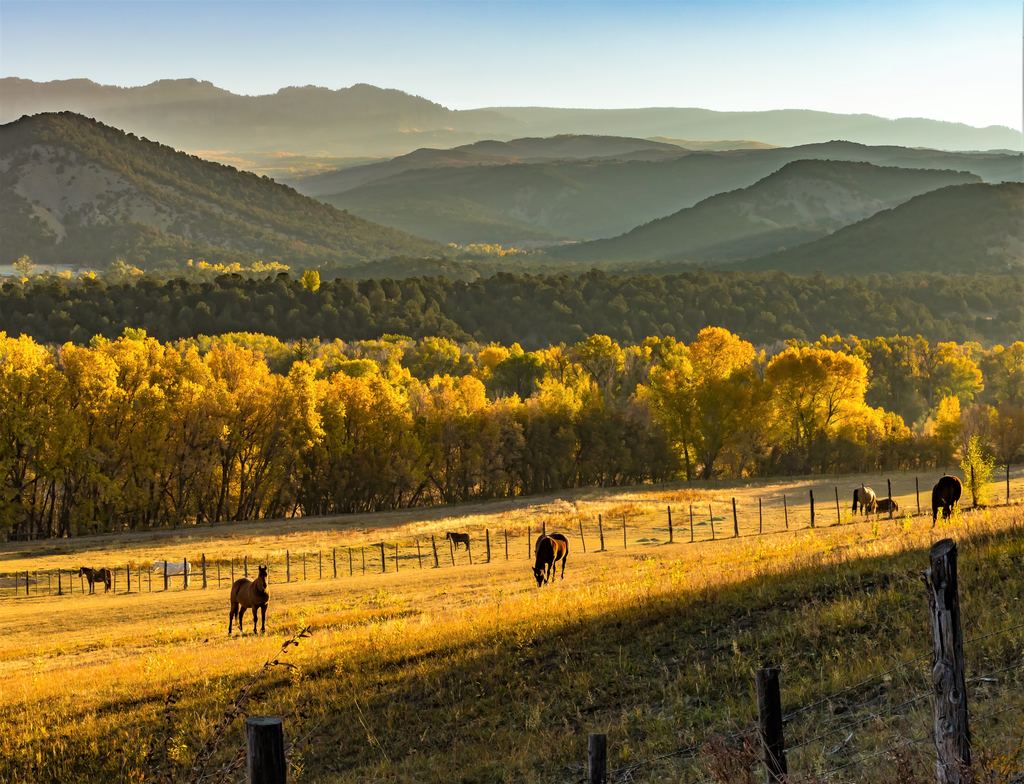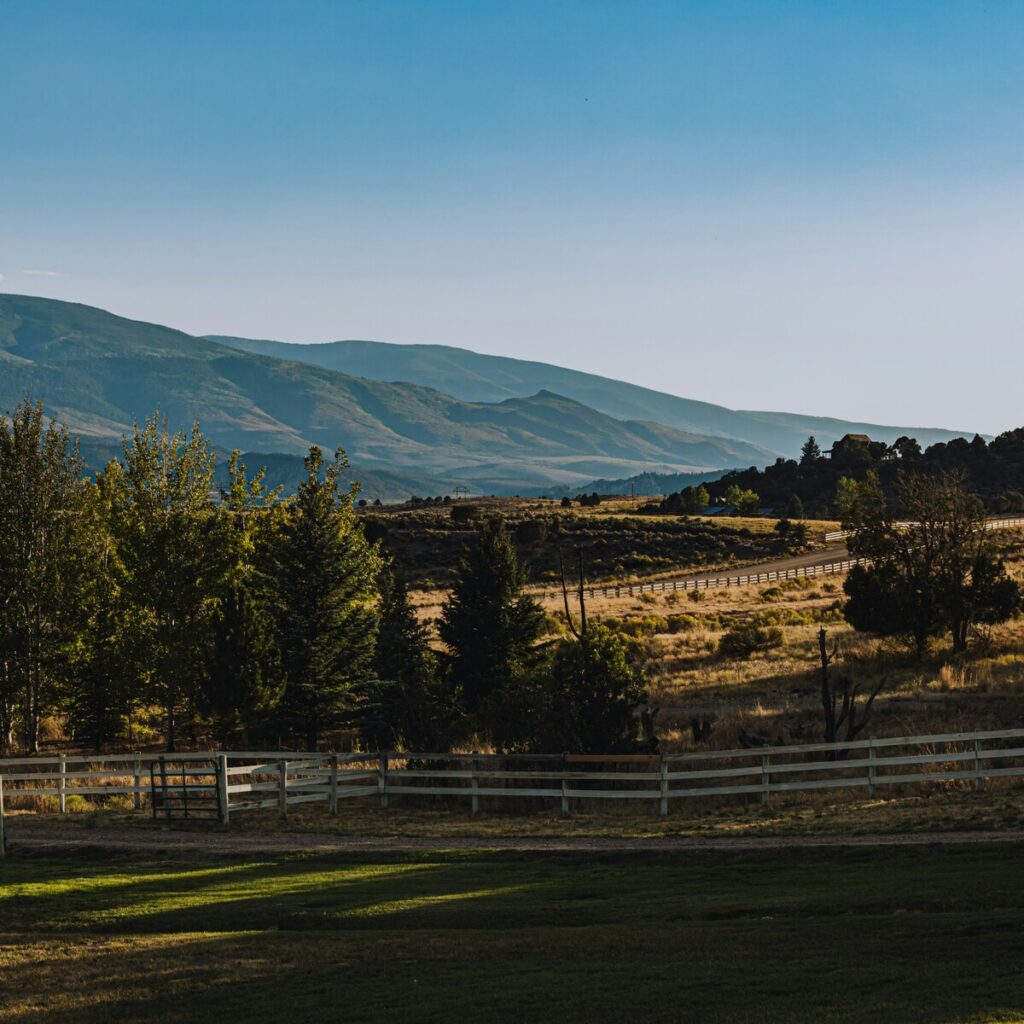
Ranch living embodies a unique blend of rustic charm, open spaces, and a deep connection to nature. For those seeking the tranquility and independence of ranch life, creating a comfortable, energy-efficient, and sustainable home is essential. Foam insulation has emerged as a crucial component in modern ranch construction and renovation, offering benefits that enhance the comfort and longevity of these homes. This blog post explores how foam insulation can transform ranch properties, providing insights into its advantages, applications, and practical tips for homeowners and builders.
The Importance of Foam Insulation in Ranch Homes
Ranch homes, often located in rural areas with diverse climate conditions, require robust and reliable insulation to ensure year-round comfort and efficiency. Foam insulation, available in spray foam and rigid foam board forms, meets these needs by offering superior thermal resistance, moisture control, and durability.
Energy Efficiency and Cost Savings
Foam insulation is renowned for its high R-value per inch, which means it provides excellent thermal resistance. This capability helps maintain consistent indoor temperatures, reducing the need for heating and cooling and leading to significant energy savings.
Example: A ranch home insulated with spray foam can significantly reduce its energy consumption, resulting in lower utility bills and a more sustainable living environment.
Enhanced Comfort
Foam insulation eliminates drafts, cold spots, and temperature fluctuations, creating a consistent and comfortable indoor environment. It also provides excellent soundproofing, which is essential for ensuring peace and tranquility in rural settings.
Example: In a ranch home, spray foam insulation in the walls and ceilings ensures a quiet and comfortable living space, free from the noise of wind and wildlife.
Moisture Control and Mold Prevention
Closed-cell spray foam insulation acts as an effective moisture barrier, preventing water infiltration and reducing the risk of mold and mildew growth. This is particularly important in areas with high humidity or significant rainfall, where moisture control is essential for maintaining the structural integrity and indoor air quality of a home.
Example: A ranch property in a humid climate with closed-cell spray foam insulation in its walls and roof stays dry and free from mold, ensuring a healthy and durable living environment.
Applications of Foam Insulation in Ranch Homes
Foam insulation can be used in various parts of a ranch home to enhance its performance and comfort. Here are some common applications:
Walls
Spray foam and rigid foam board insulation can be used in walls to create a well-insulated building envelope. Spray foam is particularly effective in sealing gaps and cracks, while rigid foam boards provide continuous insulation and reduce thermal bridging.
Example: A ranch home with spray foam insulation in its walls benefits from improved energy efficiency and moisture resistance, making it a comfortable and durable retreat.
Roofs and Attics
Insulating the roof and attic with foam insulation helps maintain consistent temperatures throughout the home and prevents heat loss during winter and heat gain during summer. Spray foam insulation can be applied directly to the underside of the roof deck, creating an airtight seal and improving energy efficiency.
Example: A ranch house with spray foam insulated roofs and attics remains cozy and warm during cold winters and comfortably cool in the summer, enhancing the overall living experience.
Basements and Crawl Spaces
Foam insulation is ideal for basements and crawl spaces due to its moisture resistance and ability to create an airtight seal. Closed-cell spray foam is particularly effective in these areas, preventing moisture infiltration and reducing the risk of mold growth.
Example: Insulating the walls and floors of a ranch home’s basement with closed-cell spray foam can create a dry, comfortable, and usable space for storage or additional living areas.
Exterior Applications
Rigid foam board insulation can be installed on the exterior of a home’s frame to create a continuous insulation layer. This method reduces thermal bridging and enhances the overall energy efficiency of the building.
Example: A contemporary ranch with rigid foam board insulation on its exterior walls boasts superior energy performance and reduced heat loss, contributing to lower utility bills and a more comfortable indoor environment.
Practical Tips for Implementing Foam Insulation in Ranch Homes
To maximize the benefits of foam insulation in your ranch home, it’s important to follow best practices and ensure proper installation:
Choose the Right Type of Foam
Select the appropriate type of foam insulation based on the specific needs of the project. Open-cell spray foam is ideal for interior applications and soundproofing, while closed-cell spray foam and rigid foam boards are better suited for areas requiring high R-values and moisture resistance.
Tip: Consult with a professional insulation contractor to determine the best type of foam insulation for your home.
Ensure Proper Installation
Proper installation is crucial for maximizing the benefits of foam insulation. Hire experienced and certified installers who understand the intricacies of applying spray foam and installing rigid foam boards.
Tip: Request references and check reviews to find reputable insulation contractors with a proven track record of quality work.
Plan for Ventilation
While foam insulation creates an airtight seal, proper ventilation is still necessary to maintain indoor air quality. Plan for adequate ventilation systems to prevent issues related to air quality and moisture.
Tip: Consider installing mechanical ventilation systems, such as heat recovery ventilators (HRVs), to ensure a healthy indoor environment.
Real-World Examples of Ranch Homes with Foam Insulation
Mountain Ranch Retreat
A mountain ranch retreat in Colorado used rigid foam board insulation on its exterior walls and closed-cell spray foam in its roof and basement. This approach ensured superior energy efficiency and moisture resistance, keeping the home warm in the winter and cool in the summer. The enhanced insulation also provided additional structural support, making the retreat more resilient to the harsh mountain climate.
Coastal Ranch Property
A coastal ranch property in California was retrofitted with closed-cell spray foam insulation in the walls, roof, and crawl space. This upgrade provided excellent thermal insulation and moisture control, ensuring the home remained comfortable and dry throughout the year. The insulation also added structural strength, protecting the property from the effects of salty air and high humidity.
Prairie Ranch Home
A prairie ranch home in Texas utilized open-cell spray foam insulation in its interior walls and ceilings. This application provided superior soundproofing, ensuring a quiet and peaceful living space despite the open landscape. The insulation also improved the home’s energy efficiency, making it a comfortable and cost-effective property.
Conclusion
Foam insulation is a powerful tool for enhancing ranch homes, offering significant improvements in energy efficiency, moisture control, and overall home comfort. Whether used in walls, roofs, basements, or exterior applications, foam insulation provides long-lasting benefits that elevate the living experience in various environments. By understanding the different types of foam insulation and following best practices for installation, homeowners and builders can create energy-efficient, comfortable, and durable ranch homes that stand the test of time. As the demand for high-quality, sustainable living continues to grow, foam insulation will play a crucial role in shaping the future of ranch properties.